Category: Roofer

  • How a St Paul MN Roofing Company Assesses Structural Damage to Your Roof

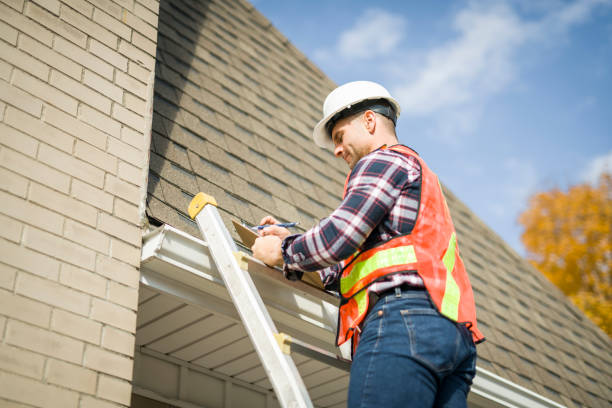
    man with hard hat standing on steps inspecting house roof A man with hard hat standing on steps inspecting house roof roofing services stock pictures, royalty-free photos & images

    Initial Visual Inspection

    Roofing contractors begin with a thorough visual inspection of the roof from both the ground level and on top of the structure. This first step helps identify obvious signs of damage or irregularities, such as:
    – Missing or loose shingles
    – Sagging areas in the roofline
    – Visible cracks or punctures
    – Excessive moss or algae growth

    Interior Assessment for Hidden Issues

    The inside of your home can reveal clues about roof-related structural problems that may not be visible from the exterior. Professionals often inspect:
    – Ceilings for water stains or discoloration
    – Attics for leaks, mold growth, or daylight seeping through gaps
    – Insulation for moisture retention

    This step ensures that internal issues are accounted for during the overall assessment process.

    Comprehensive Structural Analysis

    To ensure your roofing system is sound, contractors examine all components contributing to its structure. Areas often evaluated include:
    Roof Decking: Checking for warping, rot, or other signs of compromise.
    Flashing: Ensuring flashing around chimneys, vents, and skylights is intact and secure.
    Gutters and Drainage Systems: Confirming proper water flow to mitigate pooling and foundation damage risks.

    Contractors also look at the roof trusses and beams supporting the structure to identify potential weaknesses due to age or impact.

    Use of Advanced Tools and Techniques

    Modern roofing professionals utilize tools and technology to conduct a more precise evaluation of your roof’s structural condition:
    1. Drones – High-resolution cameras on drones allow contractors to access hard-to-reach areas safely while capturing detailed images of potential damage points. 2. Moisture Detectors – These devices help pinpoint areas where water infiltration has occurred beneath shingles or within attic spaces. 3. Infrared Scanning – Infrared thermography detects temperature differences across your roof surface, revealing hidden leaks or insulation problems.

    These advanced methods provide accurate data that supports informed decision-making during repairs.

    Documentation of Findings

    After completing their assessment, professionals typically provide a detailed report outlining their findings. This report includes photographs, measurements, and recommendations for repairs if necessary. A clear breakdown ensures homeowners understand both immediate needs and potential long-term concerns.

    Key Components Checked Common Issues Identified Recommended Actions
    Shingles Cracks/ Missing pieces Replacement
    Flashing Corrosion/ Loosening Sealing/ Replacement
    Gutters Clogs/ Rust Cleaning/ Realignment
    Roof Deck Rotting/ Warping Reinforcement/ Partial Rebuild

    Hiring a professional roofing contractor is vital when it comes to assessing structural damage accurately. Their expertise ensures even minor issues are resolved promptly before they develop into costly repairs or safety hazards over time.

    Steps a St Paul MN Roofer Takes to Inspect Roof Damage Conditions

    Roof inspections are a critical part of maintaining the structural integrity and longevity of any building. Whether it’s a routine check-up or an inspection after severe weather, professional roofing contractors follow a systematic approach to assess and address roof conditions. Below is an outline of the key steps experts take during a roof inspection for damage.

    Initial Visual Inspection

    • Missing or damaged shingles: Curling, cracking, or missing shingles are easily visible and often indicate wear and tear or storm damage.
    • Sagging areas: Structural inconsistencies, such as sagging sections of the roofline, can suggest underlying damage to the framing or decking materials.
    • Gutter condition: Inspectors check for debris-filled gutters or granule buildup from shingles, which may signal aging roof materials.
    • Flashing issues: Flashing around chimneys, vents, and skylights is inspected for rusting, detachment, or cracks that could allow water seepage.

    Detailed Surface Assessment

    • Checking shingle durability: Experts test shingles for brittleness or looseness caused by prolonged exposure to weather elements.
    • Inspecting seals around penetrations: Areas where vents, pipes, and HVAC systems penetrate the roof are carefully checked to ensure watertight seals.
    • Searching for soft spots: Walking across different sections helps detect soft spots in the decking caused by moisture infiltration.
    • Examining joints and valleys: Damage in these critical areas can lead to leaks if not addressed promptly.

    Assessment of Internal Structures

    • Attic spaces for water stains on beams or insulation that could signal leaks.
    • Ceilings and walls, looking for discoloration indicating moisture intrusion.
    • Ventilation systems, ensuring proper airflow to prevent mold growth and premature aging of roofing materials.

    Documentation Through Technology

    Tool/Technology Purpose
    Drone cameras Provide aerial views of hard-to-reach areas without risking safety.
    Infrared thermography Detects heat loss patterns associated with insulation gaps or leaks.
    Moisture meters Pinpoints hidden dampness within roofing materials.

    Contractors often provide clients with digital reports featuring photos and data collected through these technologies.

    Creating an Action Plan

    1. Replacing damaged shingles or flashing.
    2. Reinforcing weak structural components.
    3. Waterproofing vulnerable seams and joints.

    A well-documented inspection ensures property owners have all the information needed to make informed decisions about maintaining their roofs effectively over time.

    Steps a Roofing Contractor St Paul MN Takes to Inspect Roof Conditions for Damage

    Professional roofing contractors follow a systematic approach to assess the condition of your roof and identify potential damage. These steps ensure that no issue, big or small, goes unnoticed during the inspection process. Below is a detailed breakdown of the steps involved in a roof inspection by experts.

    Preliminary Assessment and Client Consultation

    • Gathering Information: Contractors often begin by speaking with the homeowner to understand any visible issues or concerns, such as leaks, drafts, or unusual noises from the roof.
    • Reviewing Roof History: Understanding the age of the roof, previous repairs, and material type helps professionals tailor their assessment techniques.
    • Visual Curbside Inspection: Before climbing onto the roof, contractors perform an exterior observation from ground level to check for obvious signs such as sagging areas, missing shingles, or debris accumulation.

    Detailed Structural Inspection

    The structural integrity of a roof is critical for its overall performance. During this stage:
    – Professionals inspect for signs of sagging or uneven surfaces that might indicate compromised rafters or decking.
    – The chimney, vents, and other protrusions are checked to ensure they are properly sealed and aligned.
    – Contractors evaluate soffits and fascia boards for rot or damage caused by moisture infiltration.

    Surface Condition Examination

    Roof surfaces endure constant exposure to weather elements. To assess their condition:
    Shingle Analysis: Inspectors look for curled, cracked, warped, or missing shingles that reduce durability.
    Membrane Inspection (for flat roofs): They check for punctures or bubbles in membranes commonly used on commercial properties.
    Flashing Evaluation: Flashings around chimneys, vents, skylights, and valleys are assessed for rusted areas or improper sealing that could lead to leaks.
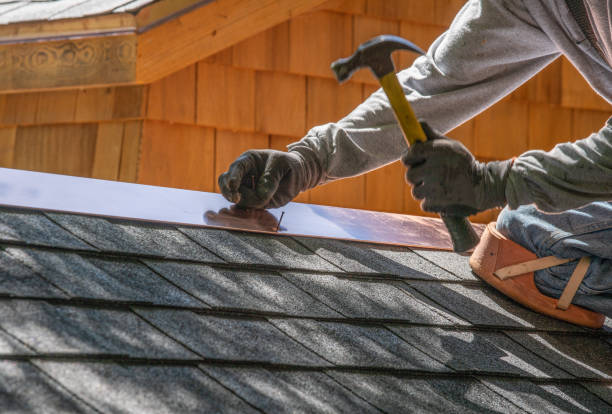
    Man installing asphalt roof Installing new roof with nail gun and shingles roofing services stock pictures, royalty-free photos & images

    Identifying Water Damage Indicators

    Signs on Exterior Signs in Interior
    Water stains along siding Dark spots on ceilings
    Mold/mildew growth near gutters Peeling paint on walls
    Blocked gutters causing overflow Damp insulation in attic

    Inspectors also use moisture meters during this phase if water intrusion is suspected but not visibly evident.

    Checking Ventilation Systems and Attic Spaces

    Proper ventilation is essential to prevent heat buildup and moisture retention under the roof covering. Professionals examine:
    1. Attic insulation levels to ensure they meet energy efficiency standards. 2. Airflow systems such as ridge vents or gable vents. 3. Moisture content within attic spaces using specialized meters.

    Advanced Tools Used by Modern Roofers

    Many modern contractors incorporate advanced technologies into their inspection processes: – Drones provide aerial views of hard-to-reach areas without additional risk. – Infrared Cameras help locate hidden leaks by detecting temperature variations caused by trapped moisture. – Roof Scanners allow inspectors to identify weakened areas without dismantling existing structures.

    These tools enhance precision while saving time compared to traditional methods.

    By following this comprehensive process during inspections, professional roofing contractors ensure that homeowners receive an accurate diagnosis of their roof’s condition along with recommended solutions tailored to address specific concerns effectively.

    How Modern Technology is Revolutionizing Roofing Services St Paul MN

    Advancements in technology have transformed the roofing industry, making inspections and repairs more efficient, accurate, and safer. Roofing contractors now leverage innovative tools and techniques to streamline processes, reduce costs, and ensure long-lasting results. Below is an exploration of how modern technology is reshaping roof inspections and repairs.

    Drone Technology for Safer Inspections

    Roof inspections traditionally required contractors to climb atop roofs, posing safety risks and challenges when inspecting steep or damaged surfaces. With drone technology, professionals can assess roof conditions safely from the ground.

    Key benefits of drones include: – High-resolution imagery: Captures detailed aerial views of roofs to identify cracks, leaks, or structural issues. – Access to hard-to-reach areas: Inspects areas that are otherwise difficult or dangerous for humans to evaluate. – Time efficiency: Speeds up the inspection process by covering large areas quickly.

    Drones not only enhance contractor safety but also improve accuracy in identifying potential problems.

    Infrared Scanning for Detecting Hidden Damage

    Infrared (thermal) imaging is another cutting-edge tool used by roofing experts. This non-invasive technology identifies temperature variations on a roof’s surface to detect hidden damage.

    How infrared scanning helps: – Moisture detection: Locates water trapped under roofing materials that may not be visible to the naked eye. – Energy efficiency analysis: Identifies insulation issues or heat leaks. – Prevention of further damage: Allows early detection of underlying problems before they escalate into costly repairs.

    Thermal imaging stands out as a reliable method for diagnosing issues without dismantling parts of the roof unnecessarily.

    Advanced Roofing Materials with Smart Sensors

    Modern roofing materials equipped with smart sensors are becoming increasingly popular. These sensors provide real-time data that allows homeowners and contractors to monitor roof health over time.

    Features of smart roofing materials: – Leak detection systems: Notify homeowners immediately if moisture levels rise beyond normal levels. – Durability tracking: Measure wear-and-tear over time to predict when maintenance will become necessary. – Weather monitoring capabilities: Adapt roofing performance based on changing environmental conditions like heavy rain or extreme heat.

    Integrating smart materials into roofs ensures better performance management while reducing long-term repair costs.

    Software Solutions for Precision Planning

    Contractors now use specialized software designed for project planning and cost estimation. These programs streamline every stage of a roof repair or replacement project by offering precise calculations and visual tools.

    Benefits of using software solutions: 1. Accurate measurements through satellite imagery or 3D modeling. 2. Detailed cost breakdowns based on material choices, labor needs, and additional factors. 3. Visual representations that help clients understand proposed solutions better before work begins.

    Such software enhances communication between contractors and clients while ensuring transparency throughout the process.

    Robotics in Roof Repairs

    In addition to inspection tools, robotics are beginning to play a role in actual roof repair processes. Automated systems can apply sealants, fix shingles, or clean gutters without requiring human intervention in hazardous conditions. This minimizes risks while maintaining high-quality results through precision work.

    The Future of Roofing Technology

    As technological advancements continue evolving, more innovations will likely emerge in the roofing industry—further improving safety standards, reducing costs, and extending the lifespan of residential and commercial roofs alike. Investing in these technologies today allows both contractors and property owners to reap long-term benefits tomorrow.

    By embracing tools such as drones, thermal imaging devices, smart systems, specialized software solutions—and even robots—the industry continues progressing toward safer practices with higher-quality outcomes for all stakeholders involved in roofing projects.

    How Modern Technology is Revolutionizing Roof Inspections and Repairs

    The roofing industry has seen remarkable advancements in recent years, with modern technology playing a pivotal role in transforming how roof inspections and repairs are conducted. These innovations not only enhance the accuracy of assessments but also improve safety and efficiency for both contractors and homeowners.

    Key Technologies Transforming Roof Inspections

    1. Drones for Roof Inspections
      Drones equipped with high-resolution cameras and thermal imaging sensors have become an invaluable tool for roofing professionals. They allow contractors to:
    2. Capture detailed aerial views of the roof.
    3. Identify cracks, leaks, or missing shingles from a safe distance.
    4. Access hard-to-reach areas without requiring ladders or scaffolding.
    5. Thermal Imaging Devices
      Thermal imaging helps detect hidden water damage or insulation issues by identifying temperature variations across the roof’s surface. This non-invasive method enables experts to pinpoint:
    6. Moisture trapped under shingles or decking.
    7. Heat loss areas caused by poor insulation.
    8. Potential structural vulnerabilities.
    9. AI-Powered Roofing Software
      Artificial intelligence is being integrated into roofing software to streamline inspections, reporting, and repair planning. These programs can:
    10. Analyze drone footage to generate accurate damage reports.
    11. Predict the lifespan of roofing materials based on current conditions.
    12. Provide cost estimates for repairs or replacements.
    13. Moisture Detection Sensors
      Advanced sensors embedded in roofing systems can monitor moisture levels over time. When connected to smart home systems, they provide real-time alerts about potential leaks before they become significant problems.

    Benefits of Technology-Driven Roof Repairs

    • Precision Repairs: With 3D modeling tools, contractors can map out repairs down to the smallest detail, ensuring materials are used efficiently with minimal waste.
    • Improved Safety: Robotic equipment allows workers to perform some tasks remotely, reducing exposure to hazardous conditions like steep slopes or extreme weather.
    • Faster Turnaround Times: Automated tools expedite material cutting and installation processes, enabling quicker project completion without compromising quality.

    A Comparison: Traditional Methods vs Modern Technology

    Aspect Traditional Methods Modern Technology
    Inspection Time Hours (manual inspection) Minutes (via drones/thermal imaging)
    Safety Risks High (climbing roofs directly) Low (use of remote devices)
    Accuracy Subjective (based on visual checks) Objective (data-driven insights)
    Cost Efficiency Moderate High (long-term savings through early detection)

    Challenges in Adopting Modern Technologies

    • Initial Investment Costs: Drones, thermal cameras, and AI-powered software require significant upfront investment that smaller businesses may find difficult to afford.
    • Training Requirements: To use these tools effectively, contractors must undergo specialized training—a process that can be time-consuming initially.
    • Compatibility Concerns: Not all homes are suitable for high-tech inspections due to factors such as roof design complexity or material limitations.

    The Future of Roofing

    As technology continues evolving, we expect even more sophisticated solutions tailored specifically for roofing needs. For instance:
    – Augmented reality could enable virtual walkthroughs where clients visualize proposed changes before repairs begin.
    – Self-healing materials may replace traditional shingles, reducing maintenance costs over time.

    These advancements promise not only greater convenience but also improved long-term durability for homeowners investing in professional roofing services today.

    Overcoming Common Challenges in Comprehensive Roof Assessments

    Effective roof assessments are critical to maintaining the structural integrity of any building, but they often come with various challenges. Professional roofing contractors must address these challenges to provide accurate evaluations and recommendations. Below, we’ll explore some common obstacles encountered during roof inspections and how experts overcome them.
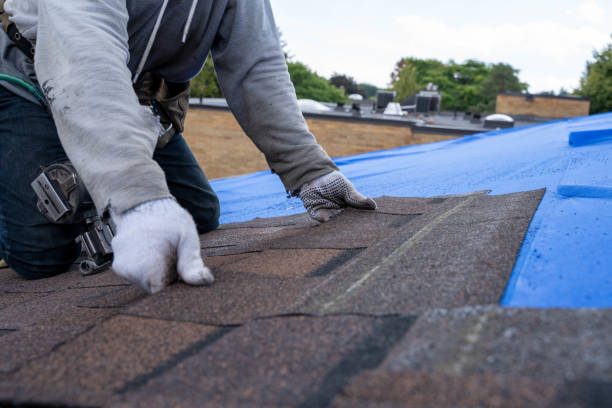
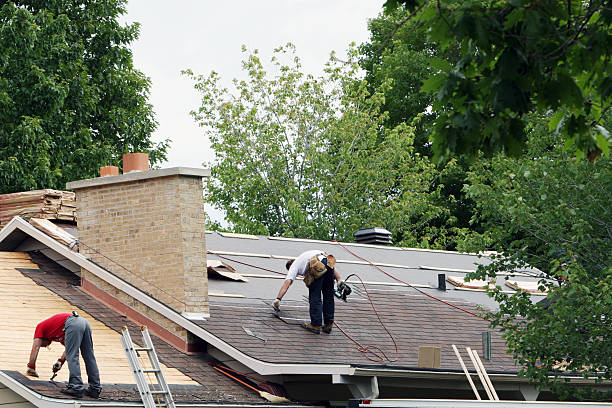
    Roofers installing new roof on house Roofers installing new roof on house roofing services stock pictures, royalty-free photos & images

    Accessing Hard-to-Reach Areas

    One of the most significant challenges in roof assessments is gaining access to difficult-to-reach spots. Roofs with steep slopes, high elevations, or intricate designs often make physical inspections more dangerous and time-consuming.

    How Professionals Address This:
    Safety Equipment: Use of harnesses, scaffolding, and ladders ensures that technicians can safely reach all parts of the roof.
    Drones: Modern drone technology enables aerial views of challenging areas without risking personal safety.
    Telescopic Cameras: Extending inspection tools equipped with high-resolution cameras helps survey areas that would otherwise require extensive setup or risk.

    Identifying Hidden Damage

    Not all damage is immediately visible on the surface of a roof. Problems such as leaks, internal water damage, or insulation issues may remain undetected without thorough testing.

    Solutions for Hidden Damage Detection:
    – Moisture meters are used to detect water trapped beneath roofing materials.
    – Infrared thermography identifies temperature variations that signal potential insulation gaps or hidden moisture.
    – Core sampling allows for an in-depth analysis of the roof’s layers to uncover underlying issues.

    Dealing with Weather Constraints

    Weather conditions can significantly hinder comprehensive roof assessments. Rainy days make roofs slippery and dangerous to navigate, while snowfall may obscure signs of damage altogether.

    Mitigation Strategies:
    – Schedule inspections during favorable weather conditions whenever possible.
    – Use drones or remote technology during adverse weather for initial surveys until conditions improve for manual inspection. – Document past weather patterns to predict potential wear-and-tear areas based on environmental exposure.

    Differentiating Between Cosmetic vs Structural Issues

    It can be challenging for non-experts to distinguish between cosmetic flaws (like minor discoloration) and serious structural concerns that compromise safety and longevity.

    Professional Approach:
    Roofing contractors rely on years of experience and specialized training:
    1. Evaluate age-related wear versus impact damage (e.g., from hail or debris).
    2. Review installation techniques and materials used to identify poor craftsmanship versus natural deterioration. 3. Conduct structural load testing if there’s doubt about a roof’s performance capabilities over time.

    Navigating Budgetary Constraints

    Budget limitations are a common challenge when recommending repairs after an assessment is complete. Property owners may not always have immediate resources available for comprehensive fixes.

    Problem-Solving Tactics Used by Roofing Experts:
    1. Prioritize repairs based on urgency by focusing first on issues that pose safety risks or lead to further damage over time (e.g., active leaks).
    2. Provide homeowners with detailed repair plans outlining short-term fixes versus long-term investments so they can make informed decisions within their budget constraints.
    3. Suggest financing options or phased repairs when appropriate to ease financial strain.

    Challenge Solution Tools/Strategies Used
    Accessing hard-to-reach areas Utilize drones, telescopic cameras, harnesses Drones; telescopic inspection tools
    Detecting hidden damage Employ moisture meters, thermal imaging Infrared thermography; core sampling
    Weather constraints Schedule around weather patterns; use remote tech Drones; contingency scheduling
    Cosmetic vs structural issues Focus on training/experience; perform load testing Inspection expertise; specialized tools
    Budget-related barriers Offer phased plans, prioritize urgent repairs Repair timelines; financing options

    Comprehensive roof assessments become smoother when professionals proactively address these challenges using advanced tools, proper planning strategies, and clear communication with clients about realistic expectations and solutions. By overcoming these obstacles effectively, contractors protect both the property’s value and its occupants’ safety long term.

    Evaluating Costs and Budget Planning for Effective Roof Repairs

    When it comes to roof repairs, understanding the associated costs and planning a realistic budget is a critical step. Proper budgeting ensures that the repair process is smooth and prevents unexpected financial strains. Below is a comprehensive guide to evaluating costs and creating an effective budget for roof repairs.

    Factors Influencing Roof Repair Costs

    • Roof Size: Larger roofs require more materials, labor, and time, increasing the overall cost.
    • Type of Roofing Material: Asphalt shingles, metal roofing, slate tiles, or other materials vary in price. For instance:
      | Material Type | Approximate Cost per Square Foot (Installed) |
      |——————|——————————————–|
      | Asphalt Shingles | $3.50 – $5.50 |
      | Metal Roofing | $7 – $14 |
      | Slate Tiles | $10 – $25 |
    • Extent of Damage: Minor damage, like replacing a few shingles, will cost less compared to repairing structural issues or water-damaged areas.
    • Roof Pitch and Accessibility: Steeper roofs or those with limited access may require specialized equipment or more labor effort, increasing costs.
    • Local Labor Rates: Labor pricing varies by location—urban areas tend to have higher rates due to demand.

    Steps to Create an Effective Budget

    1. Get Professional Inspections: Always start with an inspection from a licensed roofing contractor. They can provide a detailed estimate based on their assessment of your roof’s condition.
    2. Request Multiple Quotes: Obtain quotes from at least three contractors to compare pricing and services offered.
    3. Permits: Check if local regulations require permits for certain types of roofing work.
    4. Disposal Fees: Removing old roofing materials often incurs waste disposal fees.
    5. Address safety concerns immediately (e.g., structural weaknesses).
    6. Plan lower-priority cosmetic fixes for later phases if necessary.
    7. Set Aside an Emergency Fund: It’s advisable to reserve about 10%-15% extra in your budget for unanticipated expenses during the project.

    Cost-Saving Tips Without Compromising Quality

    • Opt for durable yet affordable materials that provide long-term value (e.g., architectural shingles instead of luxury options like slate).
    • Schedule seasonal inspections and maintenance regularly to prevent costly emergency repairs later on.
    • Look into warranties offered by contractors or manufacturers—some may cover certain kinds of damage at no additional cost if issues arise within the coverage period.

    Sample Budget Breakdown

    Expense Category Estimated Cost Range
    Inspection Fee $100 – $300
    Materials $1,500 – $2,500
    Labor $2,000 – $3,500
    Permit Fees $50 – $150
    Waste Disposal $100 – $300
    Emergency Fund Reserve ~10% of Total Costs

    With these figures in mind, you can plan effectively while ensuring all aspects of the repair process are accounted for.

    By carefully evaluating costs upfront and adopting strategic budgeting practices, homeowners can address roofing issues promptly while avoiding unnecessary financial stress down the line.


  • Effective Solutions to Common Roofing Problems with a St Paul MN Roofer

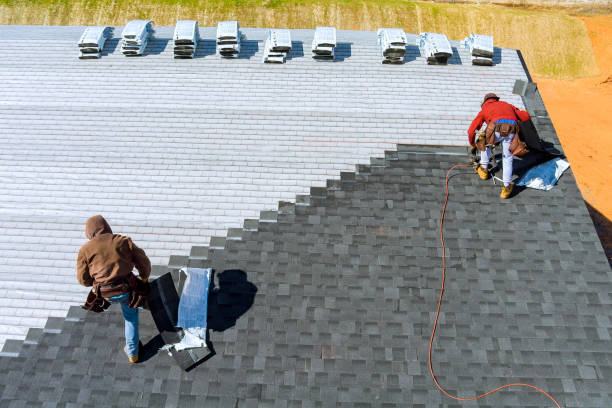
    Worker hands installing bitumen roof shingles with air hammer and nail Aerial view in worker hands installing bitumen roof shingles with air hammer and nail roofing services stock pictures, royalty-free photos & images

    Roofing is a critical component of any home, protecting the structure and its inhabitants from the elements. Over time, however, even the most well-constructed roofs can develop issues. Understanding common roofing problems and how to address them can save homeowners significant time, money, and stress.

    1. Leaks and Moisture Damage

    Roof leaks are among the most frequent roofing problems homeowners encounter. They typically occur due to damaged shingles, worn-out flashing, or poor installation practices.

    How to Address It:
    Inspect Regularly: Check your attic for water stains or damp spots after heavy rains.
    Replace Damaged Shingles: Replace cracked or missing shingles promptly to prevent leaks from worsening.
    Ensure Proper Flashing: Ensure flashing around chimneys, vents, or skylights is intact and watertight.

    Proactively sealing vulnerable areas with waterproof materials can also prevent moisture damage before it occurs.

    2. Ponding Water on Flat Roofs

    Flat or low-sloped roofs are susceptible to standing water if they lack adequate drainage systems.

    How to Address It:
    – Install tapered insulation systems that promote water runoff.
    – Clear gutters and downspouts regularly to ensure proper drainage.
    – Consult a roofing professional for long-term solutions such as adding drains or re-pitching specific areas of the roof.

    3. Cracked Flashing

    Flashing protects roof joints from moisture penetration but can crack or corrode over time due to weather exposure.

    How to Address It:
    – Use durable materials like aluminum or steel for replacement flashing. – Re-seal cracked flashing with roofing caulk as a temporary fix while awaiting permanent repairs.

    4. Damaged Shingles Due to Weather Events

    High winds, hailstorms, and extreme temperature fluctuations can cause shingles to crack, curl, or be dislodged entirely.

    Preventive Measures & Solutions:
    – Opt for impact-resistant shingles in weather-prone regions. – Conduct post-storm inspections for visible shingle damage. – Replace damaged shingles immediately before underlying layers are exposed.

    Weather Condition Impact on Roof Solution
    High Wind Speeds Missing shingles Secure loose edges; replace missing ones
    Hailstorms Dents in shingles Opt for hail-resistant materials
    UV Radiation Curling asphalt shingles Apply reflective coatings

    5. Poor Ventilation Leading to Mold Growth

    Inadequate ventilation traps moisture within your attic space, which can lead to mold growth and structural decay over time.

    Remediation Tips:
    1. Install ridge vents or soffit vents for better airflow. 2. Avoid blocking air circulation with insulation material. 3. Consider installing an attic fan in humid climates for added ventilation support.

    6. Sagging Roof Lines

    A sagging roof could indicate structural issues such as weakened beams or insufficient support beneath heavy loads like snow accumulation.

    Steps To Fix This Problem: – Reinforce roof trusses with additional support beams if sagging is minimal. – Remove excessive snow immediately after storms using rakes designed specifically for roofs. – Hire a structural engineer if foundational repairs are necessary due to severe sagging.

    7. Gutter Clogging

    Clogged gutters restrict water flow away from your home’s foundation while increasing risks of leaks and ice dams during colder months.

    Prevention Techniques: 1. Clean gutters at least twice annually (spring & fall).
    2. Invest in gutter guards that block debris without disrupting flow. 3: Ensure downspouts direct flow at least five feet away from property walls/basements etc

    Being informed about these issues ensures you stay ahead minimizing risks

    6 Common Issues with Roof Shingles and Comprehensive Solutions from a Roofing Contractor St Paul MN

    Shingles are a critical component of your roof, providing protection from the elements and contributing to the overall structural integrity of your home. However, shingles can experience wear and tear over time, leading to potential issues. Below, we outline seven common problems homeowners face with roof shingles and provide practical solutions to address them.

    1. Curling or Buckling Shingles

    Curling or buckling happens when shingles lose their shape, often due to moisture issues or improper installation.

    Causes:
    – Age-related wear
    – Poor ventilation in the attic causing excessive heat buildup
    – Installation over old shingles

    Solutions:
    – Replace curled or buckled shingles immediately to prevent leaks.
    – Inspect attic ventilation and improve airflow if necessary.
    – Avoid layering new shingles over old ones during re-roofing projects.

    2. Missing Shingles

    Strong winds, storms, or poor adhesion can result in missing shingles, leaving your roof vulnerable to water damage.

    Solutions:
    – Check for loose nails or broken adhesive strips and secure remaining shingles properly.
    – Replace missing shingles promptly with matching materials for a uniform look and protection.

    3. Cracked or Broken Shingles

    Cracked or broken shingles often occur due to weather fluctuations like freezing temperatures followed by rapid thawing.

    Solutions:
    – Replace damaged singles as soon as possible to prevent water intrusion into the roof deck.
    – Consider installing impact-resistant shingles in areas prone to hailstorms.

    4. Granule Loss on Asphalt Shingles

    Granules on asphalt shingles provide UV protection and add durability. If you notice granules collecting in gutters or around your home, it may indicate a problem.

    Causes:
    – Aging roof materials
    – Severe weather conditions like heavy rain or hail

    Solutions:
    – Regularly inspect gutters and downspouts for granule buildup during routine maintenance.
    – Replace aging asphalt shingles before significant deterioration occurs.

    Sign Possible Problem
    Bald patches on the roof Significant granule loss
    Discolored streaks UV damage from granule depletion

    5. Algae Growth and Dark Stains

    Dark streaks caused by algae growth not only reduce curb appeal but can also degrade shingle quality over time.

    Solutions:
    – Clean affected areas using a mixture of water and bleach (ensure proper safety measures).
    – Install zinc or copper strips along the ridge of your roof; these metals help prevent algae regrowth when they oxidize during rain exposure.

    6. Blistered Shingles

    Blisters form when trapped moisture expands due to heat exposure beneath the shingle surface, creating weak spots susceptible to damage.

    Causes:
    – Poor-quality roofing materials
    – Ventilation issues causing excessive internal heat

    Solutions:
    – Remove blistered shingles carefully without damaging surrounding areas. – Consult a professional contractor if large sections of blistering occur due to poor installation practices.

    ## Final Clear Note table summary manually keep

    Identifying When to Seek Roofing Services St Paul MN for Repairs or Replacement

    Your roof is one of the most critical components of your home, protecting it from the elements and ensuring structural stability. Over time, wear and tear can compromise its integrity, leading to issues that demand immediate attention. Below are the key signs to help you recognize when your roof requires replacement or repairs.

    1. Visible Damage to Shingles

    Shingles are your roof’s first line of defense against weather conditions. Damaged shingles can lead to water infiltration and further structural problems. Look for these warning signs:
    Cracked or curling shingles: This indicates aging or exposure to extreme weather conditions.
    Missing shingles: Gaps in coverage leave your home vulnerable to leaks and moisture damage. – Granule loss: Excessive granules in gutters or downspouts signal worn-out shingles.

    2. Water Leaks and Stains

    Water damage is a telltale sign that immediate action is required: – Interior ceiling stains: These often appear as brownish-yellow spots on ceilings or walls. – Dripping water inside the home: A clear sign of a compromised roof system. – Mold and mildew growth: Moisture penetration can encourage mold development, posing health risks.

    3. Sagging Roof Deck

    A sagging roof deck is a serious issue that suggests structural weakness: – Check for areas where the roofline looks uneven or dips inward. – Causes may include prolonged exposure to moisture, rot, or excessive weight from accumulated debris.

    4. Higher Energy Bills

    An inefficient roof allows heat and air conditioning to escape, leading to increased utility costs: – Poor insulation due to damaged materials could be responsible. – Inspect for drafts near attic spaces or temperature fluctuations indoors.

    5. Flashing Issues Around Key Areas

    Flashing protects vulnerable areas such as chimneys, vents, and skylights: – Watch out for rusted, cracked, or detached flashing materials. – Improper flashing installations can result in water seepage into joints and seams.

    6. Increased Presence of Pests

    A deteriorating roof creates entry points for pests seeking shelter: – Birds, rodents, or insects invading attic spaces could indicate gaps or holes in roofing materials.

    Natural disaster and its consequences. Hurricane Ian destroyed house roof in Florida residential area Natural disaster and its consequences. Hurricane Ian destroyed house roof in Florida residential area. roofing services stock pictures, royalty-free photos & images

    Recommended Actions Based on Roofing Problems

    Problem Recommended Action
    Missing/Damaged Shingles Replace individual shingles promptly; inspect adjacent areas for hidden damage.
    Water Leaks/Stains Conduct a thorough inspection; repair underlying problems with waterproof sealants or patching methods if localized.
    Sagging Roof Deck Consult a professional roofer immediately; structural repairs may involve replacing support beams and decking material entirely.
    Flashing Issues Remove old flashing; reinstall using high-quality materials like aluminum-based products for improved durability.

    Preventative Maintenance Tips

    1. Perform biannual inspections—especially after harsh weather conditions like storms or heavy snowfall.
    2. Clean gutters regularly to prevent water backup onto your roof surface.
    3. Trim overhanging tree branches that could drop debris onto your roof.
    4. Invest in professional inspections every few years for expert assessments.

    By identifying these warning signs early and taking appropriate measures, homeowners can extend their roof’s lifespan while maintaining its protective capabilities efficiently over time.

    The Evolution of Roofing: From Traditional Materials to Modern Innovations

    Over the centuries, roofing has undergone significant transformations. From rudimentary materials like straw and mud to advanced solutions like solar-integrated systems, the evolution of roofing reflects technological advancements and shifting priorities in durability, efficiency, and aesthetics. Understanding this progression not only gives insight into modern roofing choices but also helps homeowners appreciate the options available today.

    Early Roofing Materials and Their Challenges

    Historically, roofs were constructed using materials readily available in the local environment. While these materials served their purpose at the time, they often came with limitations.

    • Thatch: Made from straw or reeds, thatch was widely used in rural areas due to its availability. However, it was highly flammable and prone to rotting in damp climates.
    • Clay Tiles: A durable option dating back to ancient civilizations such as those in India and Rome. These tiles offered excellent weather resistance but were heavy and required a sturdy structural foundation.
    • Wood Shakes: Widely used during colonial times due to their natural abundance. While aesthetically pleasing, wood shakes were vulnerable to insects, mold growth, and fire hazards.
    • Slate: Commonly seen on historic structures throughout Europe and North America. Slate is extremely durable but expensive and labor-intensive to install.

    Modern Innovations in Roofing

    The 20th century brought advancements that revolutionized roofing systems by addressing issues inherent in traditional materials while introducing new levels of functionality.

    1. Asphalt Shingles
      Introduced during the early 1900s, asphalt shingles quickly gained popularity thanks to their affordability and ease of installation. These shingles offer decent durability for residential applications but vary widely in quality depending on manufacturing processes.
    2. Metal Roofs
      Metal roofing has emerged as a popular choice for its longevity (often lasting 40-70 years), energy efficiency (due to reflective properties), and low maintenance requirements. Advances in coatings have improved corrosion resistance across aluminum, steel, zinc alloys, or copper options.
    3. Rubber Roofing (EPDM)
      Primarily used for flat roofs or low-sloped surfaces, EPDM rubber membranes offer flexibility even under extreme temperature variations while being resistant to UV damage.
    4. Solar Roofing Systems
      Solar-integrated solutions represent one of the most significant innovations over recent years by combining renewable energy production with protective elements traditionally associated with roofs.
    5. Green Roofs
      These environmentally friendly designs feature vegetation layers that not only insulate buildings but also reduce stormwater runoff while promoting biodiversity within urban environments.

    Comparing Traditional vs Modern Roofing Systems

    Feature Traditional Materials Modern Materials
    Lifespan Moderate (10-50 years) Long-lasting (20-100+ years)
    Maintenance High (susceptible to decay/fire) Low (resistant coatings/advanced tech)
    Environmental Impact High (natural resources depletion) Variable (some eco-friendly options)
    Cost Affordable initially Higher upfront investment

    Key Considerations When Choosing Between Traditional & Modern Solutions

    • Evaluate your local climate conditions — some traditional options like slate may still outperform modern alternatives based on geography.
    • Determine aesthetic goals — historical homes may benefit from authentic-looking old-world styles such as wood shakes or clay tiles.
    • Assess long-term costs — modern materials often provide better value over time due reduced maintenance needs despite higher initial expenses.

    Tips for Selecting High-Quality Materials for a Durable and Reliable Roof

    Selecting the right roofing materials is crucial to ensure your roof not only stands the test of time but also provides optimal performance in protecting your home. With the variety of options available, homeowners often face challenges in making an informed choice. Below, we’ll explore essential tips for choosing high-quality roofing materials that deliver both durability and reliability.

    Assess Your Climate and Weather Conditions

    • Hot Climates: Consider reflective materials like metal or light-colored asphalt shingles to minimize heat absorption.
    • Cold or Snowy Climates: Opt for heavier options like slate or composite shingles that are less prone to damage from freezing temperatures.
    • Windy Areas: Metal roofing or architectural shingles offer excellent resistance to strong winds.
    • Humid or Rainy Regions: Look for materials such as clay tiles or treated wood shakes that resist moisture and fungal growth.

    Understanding your region’s weather patterns ensures you invest in materials capable of withstanding local conditions.

    Evaluate Material Longevity

    Roofing Material Average Lifespan Maintenance Level
    Asphalt Shingles 15–30 years Moderate
    Metal Roofing 40–70 years Low
    Clay or Concrete Tiles 50+ years Low to Moderate
    Slate 75–100 years Minimal
    Wood Shakes 20–40 years High

    Choose a material based on how long you plan to stay in your home and whether you’re willing to invest time or money into regular upkeep.

    Consider Your Budget

    • Initial cost vs longevity: More durable options like slate have higher upfront costs but last significantly longer than asphalt shingles.
    • Installation complexity: Materials such as metal panels may require specialized installation, adding labor costs.
    • Energy efficiency: Reflective coatings on some roofs can reduce energy bills over time, offering a return on investment.

    Strike a balance between quality and affordability by factoring in both short-term expenses and long-term savings.

    Prioritize Energy Efficiency

    • Cool Roof Coatings: Reflective coatings reduce heat absorption.
    • Insulating Properties: Materials like clay tiles naturally regulate indoor temperatures.
    • Solar Compatibility: Metal roofs can easily accommodate solar panels if you’re planning to adopt renewable energy solutions.

    An energy-efficient roof not only lowers utility bills but also adds value when selling your property.

    Check Industry Certifications

    • ENERGY STAR® ratings for energy-efficient products
    • UL Classification for fire resistance
    • Wind uplift ratings (ASTM standards) for storm-prone areas

    These certifications provide assurance about product performance under various conditions.

    By thoroughly evaluating factors such as climate suitability, budgetary constraints, energy efficiency, material longevity, and certifications, homeowners can confidently select durable and reliable roofing materials tailored to their specific needs. Carefully researching your options before committing helps ensure that your investment pays off with a roof designed to last decades while enhancing your home’s functionality and appeal.

    Understanding Roofing Warranties with a St Paul MN Roofing Company

    A roofing warranty is a critical component of any roofing project. It provides homeowners with peace of mind and assures them that their investment is protected. However, understanding the complexities of roofing warranties can be overwhelming. This guide will break down the essentials of roofing warranties, helping homeowners make informed decisions.

    New roof! Men installing a new roof on a house. roofing services stock pictures, royalty-free photos & images

    Types of Roofing Warranties

    1. Covers defects in the roofing materials supplied by the manufacturer.
    2. Typically ranges from 20 to 50 years, depending on the material.
    3. Does not cover issues arising from improper installation.
    4. Provided by the contractor or roofer.
    5. Covers defects or failures due to poor installation practices.
    6. Ranges from 1 to 10 years but varies based on contractors and region.
    7. Offered by manufacturers for an additional cost.
    8. Combines material and installation coverage under one policy.
    9. May require certified contractors for eligibility.
    Type of Warranty Coverage Focus Typical Duration
    Manufacturer’s Warranty Material Defects 20–50 Years
    Workmanship Warranty Installation Quality 1–10 Years
    Extended Warranties Comprehensive Coverage Varies (Optional)

    Key Components to Look For in a Roofing Warranty

    • Coverage Duration: Longer doesn’t always mean better—understand what’s covered during each phase (e.g., full coverage vs prorated).
    • Transferability: Some warranties can be transferred to new homeowners when selling your house, adding value to your property.
    • Exclusions: Most warranties exclude damage caused by natural disasters (e.g., hailstorms, hurricanes), lack of maintenance, or unauthorized repairs.
    • Installation Requirements: Certain manufacturers require certified installers for their warranty to remain valid.

    Common Misconceptions About Roofing Warranties

    1. “All Damage Is Covered”:
      Many homeowners mistakenly believe that warranties cover all roof-related issues. In reality, most only apply to manufacturing defects or faulty installations.
    2. “Longer Warranties Are Always Better”:
      While extended durations may sound appealing, they often come with prorated terms that reduce coverage over time.
    3. “Roof Maintenance Isn’t Necessary with a Warranty”:
      Regular inspections and upkeep are vital—even when a warranty is in place—to avoid voiding its terms.

    How Homeowners Can Protect Their Warranty

    • Hire licensed and certified contractors for installation or repairs.
    • Perform routine maintenance such as clearing debris and inspecting for damage annually.
    • Avoid DIY repairs or unapproved modifications that could void coverage.
    • Keep records of all inspections, maintenance activities, and repairs for future claims.

    Questions to Ask Your Contractor About Roofing Warranties

    • What type(s) of warranties are included with my roof?
    • Are there additional costs associated with extended warranties?
    • Who handles claims—manufacturer or contractor?
    • What actions could void my warranty?

    By thoroughly understanding your roofing warranty options and responsibilities, you’ll be better equipped to protect your investment for years to come.

    6 Common Issues with Roof Shingles and Comprehensive Solutions for Homeowners

    Roof shingles are one of the most critical components of any roofing system. They protect your home from the elements, enhance its aesthetic appeal, and contribute to overall durability. However, like all roofing materials, shingles can encounter problems over time due to weather exposure, improper installation, or aging. Below is an overview of common issues with roof shingles and effective solutions for homeowners.

    1. Curling or Buckling Shingles

    • Problem: Curling or buckling often occurs when shingles are exposed to high levels of moisture or improper ventilation in the attic. This can lead to water infiltration and compromise the roof’s integrity.
    • Ensure proper attic ventilation to minimize heat and moisture buildup.
    • Replace affected shingles promptly to prevent further water damage.
    • Consider upgrading to more durable shingle materials such as asphalt architectural shingles.

    2. Granule Loss

    • Problem: Granules on asphalt shingles act as a protective layer against UV rays and impact damage. Over time, you may notice granules accumulating in gutters or downspouts, which indicates wear and tear.
    • Conduct regular roof inspections for granule loss.
    • Replace heavily worn shingles if granule loss is significant.
    • Use gutter guards to monitor granule accumulation more easily.

    Table: Indications of Severe Granule Loss

    Signs Recommended Action
    Bald patches on shingles Replace individual damaged areas
    Excessive granules in gutters Inspect entire roof thoroughly

    3. Cracked or Broken Shingles

    • Problem: Temperature fluctuations, hailstorms, or heavy winds can cause cracks or breaks in roof shingles, leaving your home vulnerable to leaks.
    • Patch minor cracks using roofing sealant as a temporary fix.
    • For extensive damage, replace all compromised shingles with new ones.

    4. Missing Shingles

    • Problem: Missing shingles often occur after strong winds or severe storms, exposing the underlying layers of your roof to potential water damage.
    • Act immediately by replacing missing shingles with exact matches in style and color.
    • Secure surrounding shingles with additional adhesive for extra reinforcement.

    Quick Tip: Prevent Wind Damage

    To mitigate wind-related shingle issues:
    – Use nails instead of staples during installation for better hold. – Opt for wind-resistant shingle designs that meet local building codes.

    5. Algae Growth on Shingles

    • Problem: Streaky black stains caused by algae are not just unsightly; they can also degrade the quality of your roof over time if untreated.
    • Clean affected areas using a mixture of water and mild bleach (in a ratio of three parts water to one part bleach). Avoid pressure washing as it may damage granules.
    • Install zinc or copper strips along the ridge line since these metals naturally inhibit algae growth.

    Comparison Table: Cleaning vs Prevention Methods

    Method Purpose Cost Effectiveness Maintenance Frequency
    Bleach cleaning Removes existing algae stains Low-cost As needed (once yearly)
    Metal strips Prevents future algae formation Moderate initial investment but long-term benefits

    6. Ice Dams Leading to Shingle Damage

    • Problem: In winter climates, ice dams can form along the edges of your roof due to inadequate insulation or poor drainage systems. This can push melted snow underneath your shingles and cause leaks.
    • Improve insulation in your attic area.
    • Install an ice-and-water shield underlayment beneath troublesome areas like eaves and valleys.

    Preventative Maintenance Tips:

    To minimize common shingle-related problems: 1) Schedule biannual inspections—ideally before winter storms and during spring thaw—to catch early warning signs of wear. 2) Clean debris off your roof periodically since accumulated leaves can retain harmful moisture beneath them.

    By addressing these common roofing challenges proactively and implementing best practices for maintenance/repairs homeowners safeguard their investments long-lastingly without constantly requiring replacements

    Does a Metal Roof Attract Lightning? Debunking Myths and Explaining Facts

    When considering metal roofing, one of the most common concerns among homeowners is whether a metal roof increases the likelihood of a lightning strike. This concern is rooted in misconceptions about how metal interacts with electricity. Below, we’ll explore the science behind this myth, discuss safety features of metal roofs, and explain why choosing a metal roof can be a sound decision.

    Understanding How Lightning Works

    To address whether metal roofs attract lightning, it’s crucial to first understand how lightning behaves:
    Lightning does not “seek out” specific materials: Contrary to popular belief, lightning doesn’t strike objects just because they are made of metal. Instead, it targets the highest point in an area or objects that provide a direct path to the ground.
    Height, location, and structure shape matter more: Taller structures or those in open areas are at higher risk for strikes—not because of material composition but due to their positioning.

    Metal Roofs and Electrical Conductivity

    It’s true that metals are excellent conductors of electricity. However, electrical conductivity doesn’t mean attraction. Here’s why this works in favor of homeowners with metal roofs:
    Metal Roofs Safely Disperse Electricity: If a lightning strike were to occur on a building with a metal roof, the roof’s conductive properties would evenly distribute the electrical energy across its surface and safely into the ground (if properly grounded). This process minimizes localized damage compared to non-metallic roofing materials like wood or asphalt shingles.
    Reduced Fire Risk: Metal is non-combustible, meaning it won’t ignite during an electrical event such as a lightning strike. This makes it one of the safest roofing options for homes in storm-prone areas.

    Myths vs Facts Table

    Myth Fact Explanation
    Metal roofs attract lightning False Height/location determine strikes, not material composition
    Metal increases fire risk False Metal is fire-resistant and won’t combust
    Installing grounding rods prevents strikes Misleading Grounding rods do not deter strikes; they only safely redirect electricity

    Additional Factors That Influence Lightning Strikes

    While your roofing material plays little role in increasing or decreasing your home’s exposure to lightning, several factors warrant consideration:
    1. Height of the Structure: – Taller buildings are statistically more likely to be struck by lightning due to their proximity to storm clouds. 2. Surrounding Environment: – Homes located on open plains or hillsides may face more exposure than houses surrounded by taller trees or buildings. 3. Proper Grounding Systems: – Ensuring that your home has proper grounding systems is key for safety during storms.

    Benefits of Choosing a Metal Roof Despite Myths

    Despite these misconceptions about attracting lightning, investing in a high-quality metal roof offers numerous advantages:
    – Durability against extreme weather conditions such as hailstorms and heavy snowfall. – Longer lifespan compared to traditional shingles (often lasting 40–70 years). – Energy efficiency due to reflective properties that reduce heat absorption.

    By understanding these points alongside debunked myths about lightning attraction, homeowners can make informed decisions when considering materials for their roofing projects—without fear driving them toward less safe alternatives.


  • Key Signs You Need a Roofing Inspection from a Trusted Roofing Contractor St Paul MN

    Worker man replace tile of the old roof. Repair roof concept. Worker man replace tile of the old roof. Repair roof concept. roofing services stock pictures, royalty-free photos & images

    A proper roofing inspection is an essential part of maintaining the integrity and safety of any property. Regular inspections can prevent costly repairs, extend the lifespan of your roof, and ensure that your home or building remains protected from external elements. Here are the key elements involved in a thorough roofing inspection and signs that indicate it might be time for one.

    Common Signs That You May Need a Roof Inspection

    • Water Leaks: Stains on ceilings or walls, mold, or dripping water during rainstorms are clear signs of leaks.
    • Damaged Shingles: Missing, curling, cracked, or loose shingles can expose your roof to further damage.
    • Sagging Areas: A sagging roofline could indicate structural problems or water damage in critical areas.
    • Granule Loss: Check for excessive granules in gutters or downspouts; this may signal that shingles are deteriorating.
    • Flashing Damage: Flashing around vents, chimneys, and skylights needs to remain intact. Cracks or deterioration should be addressed immediately.
    • Moss Growth: While moss may appear harmless, its presence can trap moisture and lead to rot over time.

    Key Components of a Roofing Inspection

    1. Inspect attic spaces for signs of moisture infiltration or poor ventilation.
    2. Check insulation levels and look for mold growth caused by trapped humidity.
    3. Assess shingle condition (e.g., missing pieces, curling edges).
    4. Look for debris buildup that may cause drainage issues.
    5. Inspect flashing around roof penetrations such as chimneys and vents.
    6. Evaluate the condition of soffits and fascia boards for rot or deterioration.
    7. Check for uneven areas in the roofline which could indicate foundational concerns.
    8. Ensure gutters and downspouts are free from obstructions like leaves or twigs.
    9. Confirm water flows away from the foundation properly during rainfall.

    Benefits of Regular Roofing Inspections

    • Prevent minor problems from escalating into expensive repairs.
    • Increase energy efficiency by verifying proper insulation and ventilation systems.
    • Provide peace of mind knowing your property is safe and secure against environmental risks.

    When Should You Schedule an Inspection?

    1. Annually as part of regular home maintenance routines.
    2. After severe weather events such as hailstorms or hurricanes.
    3. Before purchasing or selling a property (particularly during real estate transactions).
    4. If it’s been more than five years since your last inspection on an older roof.

    By addressing these key factors during inspections, you can ensure your roof remains durable while protecting both residents inside and your investment long term.

    What to Expect from a St Paul MN Roofing Company During a Comprehensive Roofing Inspection

    A comprehensive roofing inspection is a meticulous process carried out by professional roofers to assess the condition of your roof. This type of inspection is crucial for identifying potential issues, prolonging the lifespan of your roof, and ensuring the safety of your home or building. Below, we break down what happens during such an inspection and how each step contributes to maintaining the structural integrity of your property.

    Comprehensive Roofing Services St Paul MN: Understanding Your Roof’s History

    The process typically begins with a conversation between the homeowner and the roofing professional. During this stage: – Roofers inquire about previous repairs or replacements. – They assess any known issues, such as leaks or drafts. – Information about the age and materials of your roof is gathered.

    This initial discussion helps roofers focus on problem areas while also providing insights into underlying concerns.

    Exterior Inspection: Examining Visible Components

    1. Look for cracked, curled, missing, or loose shingles.
    2. Assess granule loss on asphalt shingles (a sign of aging).
    3. Inspect tiles for cracks or breaks.
    4. Inspect metal flashing around chimneys, vents, skylights, and other protrusions to ensure it’s properly sealed and intact.
    5. Look for rust or corrosion that could compromise waterproofing.
    6. Check gutters for debris buildup that may prevent water from draining properly.
    7. Ensure downspouts are directing water away from the foundation.
    8. Inspect for sagging edges or moisture damage caused by leaks.
    9. Check vent pipes, HVAC systems, and other penetrations for signs of wear or improper sealing.
    10. Identify signs of sagging areas that could indicate structural damage beneath the surface.

    Interior Inspection: Identifying Hidden Problems

    • Attic Evaluation:
      Roofers check attic spaces for:
    • Signs of leaks (e.g., water stains).
    • Mold growth caused by trapped moisture.
    • Proper ventilation to prevent heat buildup in summer months.
    • Ceiling Checks:
      Inside living spaces, inspectors look at ceilings and walls for discoloration or peeling paint—both indicators of water intrusion.

    Specialized Tools Used During Inspections

    To ensure accuracy in their findings, roofers may use tools such as: – Moisture meters to detect dampness in hidden areas. – Infrared cameras to identify heat loss due to poor insulation or unseen leaks. – Binoculars/drones for hard-to-reach sections without risking safety.

    Documentation: Providing Reports and Recommendations

    Once all aspects of the roof have been inspected, professionals compile their findings into a detailed report. This report typically includes: – A summary of observed issues. – Photographs showing problem areas. – Suggested repairs categorized by urgency (e.g., immediate attention vs maintenance recommendations).

    Component What’s Checked Potential Problems Found
    Shingles/Tiles Cracks, curling, missing pieces Leaks, reduced weather resistance
    Flashing Seals around protrusions Rust/corrosion leading to leakage
    Gutters/Drainage Clogs/blockages Water pooling near foundation
    Attic Insulation/ventilation issues Mold growth

    Importance of Regular Inspections

    By understanding what happens during a comprehensive roofing inspection, homeowners can appreciate how these evaluations protect their property investment over time. Proactive inspections help detect minor problems early before they escalate into costly repairs while also ensuring peace of mind regarding structural safety year-round.

    What Happens During a Comprehensive Roofing Inspection Explained

    A roofing inspection is a systematic process that ensures your roof is in optimal condition and identifies potential issues before they become costly repairs. During a comprehensive roofing inspection, a professional roofer evaluates multiple aspects of the roof, both externally and internally. Below is an in-depth breakdown of what typically happens during this essential assessment.

    Exterior Inspection

    • Look for cracked, curled, or missing shingles/tiles.
    • Check for granule loss on asphalt shingles, which can indicate aging.
    • Inspect flashing around chimneys, vents, skylights, and valleys to ensure it’s properly sealed and intact.
    • Identify any corrosion or loose materials that could lead to leaks.
    • Assess gutters and downspouts for blockages caused by debris like leaves or dirt.
    • Check for sagging gutters or improper installation that may hinder water drainage.
    • Verify that ventilation openings are clear and functioning correctly to prevent moisture buildup in the attic space.

    Interior Inspection

    • Look for signs of moisture such as stains on insulation or wood.
    • Check if there’s adequate insulation preventing heat loss during winter months.
    • Evaluate wooden beams and trusses for sagging, warping, or rotting caused by prolonged exposure to moisture.
    • Identify any signs of pest infestations that might compromise structural elements.
    • Locate water stains on ceilings or walls inside your home to trace potential sources of leaks originating from the roof above.

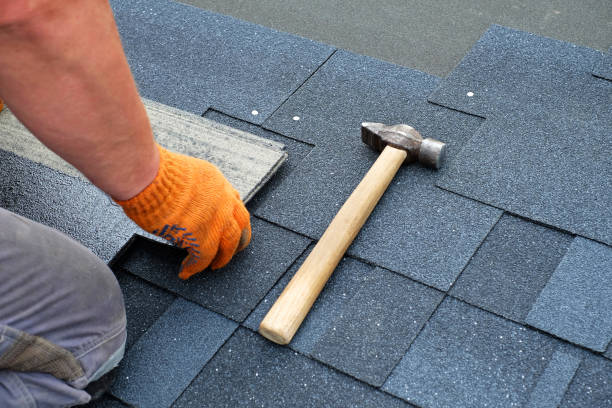
    Contractor hands installing bitumen roof shingles using hammer in nails. Contractor hands installing bitumen roof shingles using hammer in nails. roofing services stock pictures, royalty-free photos & images

    Advanced Tools Used

    Tool Purpose
    Drone Technology Captures aerial images of hard-to-reach areas like steep slopes.
    Moisture Meters Identifies hidden water damage not immediately visible to the eye.
    Infrared Scanners Detects thermal leaks indicating poor insulation or trapped moisture.

    Documentation Provided by Roofers

    1. Photographs highlighting damaged areas.
    2. Notes on maintenance issues requiring immediate attention.
    3. Recommendations for repairs or replacements based on severity.
    4. An estimated timeline and cost breakdown if repairs are necessary.

    Frequency of Inspections

    • Schedule inspections at least once annually—preferably before extreme weather seasons like winter or summer.
    • Perform additional inspections after major storms involving high winds, heavy rains, hailstorms, or snowfall events.

    Regular comprehensive roofing inspections are vital in safeguarding your property against potential hazards while also ensuring longevity and efficiency in protecting your home over time.

    Missing or Damaged Roof Materials: Common Issues and How Roofers Address Them

    A well-maintained roof is critical to protecting your home from the elements. Over time, roofs can develop issues like missing or damaged materials due to weather conditions, improper installation, or aging. Understanding these common problems and how professional roofers address them can save you money and ensure the longevity of your roof.

    Common Issues with Roof Materials

    1. Causes: High winds, storms, or poor installation often lead to missing shingles.
    2. Risks: Exposed areas of the roof can lead to water infiltration and damage to the underlying structure.
    3. Causes: Heavy impact from debris, foot traffic on the roof, or natural wear and tear.
    4. Risks: Cracked tiles allow moisture to seep through, which can damage the underlayment and create leaks.
    5. Causes: Aging shingles, poor ventilation in the attic, or improper installation techniques.
    6. Risks: Compromised shingles reduce water resistance and increase vulnerability to wind damage.
    7. Causes: Weather exposure, corrosion, or improper sealing during installation.
    8. Risks: Flashing protects key areas like chimneys and vents; damaged flashing can result in leaks around these components.
    9. Causes: Aging of shingles or severe weather conditions like hailstorms.
    10. Risks: Granules provide a layer of protection against UV rays; their loss accelerates shingle degradation.

    How Roofers Address These Problems

    • Roof Repairs for Missing Shingles
      Roofers replace missing shingles with materials that match your existing ones as closely as possible in terms of color and quality.
    • Tile Replacement
      For broken tiles, professionals carefully remove the damaged pieces without harming neighboring tiles and install new ones securely.
    • Shingle Reattachment for Curling/Buckling Issues
      Depending on the extent of curling, roofers may use adhesive solutions to reattach curled edges temporarily while recommending replacement if necessary.
    • Flashing Repair/Replacement
      Damaged flashing is repaired by resealing gaps with durable caulk or replacing it entirely when corrosion is extensive.
    • Reinforcing Shingle Layers After Granule Loss
      If granule loss is severe but localized, some contractors may recommend applying a roof coating for added protection while preparing for eventual replacement if aging has set in across larger areas.

    Preventative Maintenance Tips

    To minimize these issues over time: – Schedule regular inspections with a licensed roofer (at least twice a year). – Trim overhanging tree branches that could drop debris onto your roof. – Clean gutters regularly to prevent water pooling near vulnerable areas. – Monitor your attic insulation as poor ventilation accelerates roofing material degradation.

    Problem Cause Risk Solution
    Missing shingles Storms/high winds Water infiltration Replace matching shingles
    Cracked/broken tiles Impact/natural wear Moisture penetration Replace individual tiles
    Curling/buckling shingles Poor ventilation/age Reduced water resistance Reattach/replace as needed
    Damaged flashing Corrosion/weather exposure Leaks around chimneys/vents Repair/reseal/replace
    Granule loss Aging/hailstorms Accelerated aging Apply coating/replace

    Maintaining your roofing materials through timely inspections and repairs protects not only your home but also its overall value—a sound investment for any homeowner seeking long-term peace of mind.

    How Roofing Inspections Help with Insurance Claims and Protect Your Investment

    Roof inspections are a critical step in ensuring that your home remains safe, functional, and financially secure. When it comes to navigating insurance claims or protecting your investment, proper roofing assessments can make all the difference. Below, we’ll explore how professional roof inspections intersect with the insurance process and why they’re essential for safeguarding your property.

    Detecting Damage Early to Support Insurance Claims

    • Providing Comprehensive Documentation: A licensed roofer will create detailed reports, including photos and notes that highlight visible damage.
    • Identifying Hidden Issues: Roofers are trained to spot problems like water infiltration or weakened structural components that might not be obvious to the untrained eye.
    • Establishing Pre-Damage Conditions: Conducting routine inspections helps insurers understand the condition of your roof before any incidents occur, making it easier to support claims.

    The Role of Roof Inspections in Strengthening Insurance Claims

    1. Detailed Assessment Reports
      Inspections generate official records that document both pre-existing conditions and new issues caused by specific events.
    2. Accurate Cost Estimates
      Roofers can collaborate with insurers to provide precise repair or replacement estimates based on their findings.
    3. Avoiding Claim Denials
      Many claims are denied because homeowners fail to address maintenance concerns. Regular inspections keep your roof well-documented and maintained, reducing the risk of denial.

    Protecting Your Long-Term Investment

    • Preventative Maintenance Reduces Costs: Fixing small problems identified during an inspection is far less expensive than addressing large-scale repairs after prolonged neglect.
    • Extending Roof Lifespan: Maintaining your roof ensures it lasts longer while avoiding costly premature replacements.
    • Boosting Property Value: A well-maintained roof improves curb appeal and raises resale value when it’s time to sell your home.

    Common Inspection Checkpoints That Impact Insurance Claims

    Inspection Area Potential Issue Importance for Insurance
    Shingles Cracks, curling, missing pieces Determines severity of storm-related damage
    Flashings Rust or improper installation Prevents leaks around vents, chimneys
    Gutters & Downspouts Blockages or detachment Essential for water drainage control
    Underlayment Moisture damage Indicates hidden structural issues

    Regular evaluations not only ensure a healthy roofing system but also streamline interactions with insurers when unexpected situations arise.

    Final Thoughts on Roofing Inspections & Insurance Protection

    By prioritizing regular roofing assessments from a certified professional, you can protect both the physical integrity of your property and its financial stability. Whether you’re filing an insurance claim after a storm or simply ensuring ongoing maintenance is up-to-date, these inspections are invaluable tools for safeguarding what may be one of your most significant investments—your home.

    St Paul MN Roofer: Roof Inspections Crucial for Real Estate Transactions

    A roof inspection is a vital step in the process of buying or selling a property. The roof is one of the most significant components of a home, protecting the structure and occupants from weather and environmental elements. Ensuring it is in optimal condition can help prevent costly surprises and streamline real estate transactions. Below, we explore why roof inspections are so crucial for both buyers and sellers.

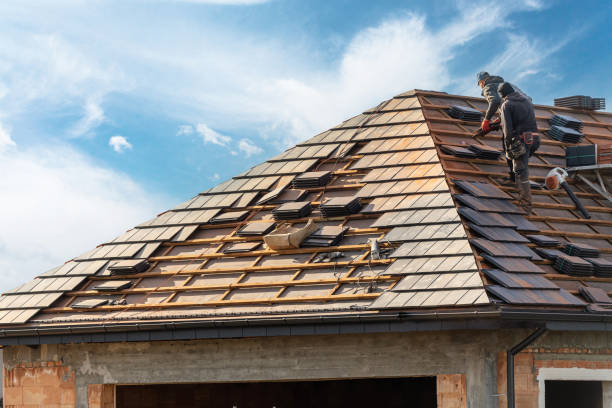
    builder working on rooftop of house on construction site process of building, roofer workers installing grey metal tile on top of roof with wooden frame outdoors on blue sky background roofing services stock pictures, royalty-free photos & images

    Benefits for Buyers

    • Uncover Hidden Issues: Inspections reveal problems such as leaks, missing shingles, damaged flashing, or poor drainage that may not be visible during general property tours.
    • Negotiate Repair Costs: If issues are identified during the inspection, buyers can negotiate repair costs or request seller concessions to cover necessary work.
    • Reduce Future Expenses: Knowing the remaining lifespan of roofing materials helps buyers budget for future maintenance or replacement needs.
    • Ensure Safety: A sturdy and well-maintained roof ensures the safety of occupants by reducing risks caused by structural weaknesses.

    By addressing potential issues upfront, buyers can avoid surprises after closing that could lead to major financial burdens.

    Advantages for Sellers

    • Avoid Deal Breakers: Identifying and addressing roofing problems before listing reduces the chances of unexpected discoveries during buyer inspections that could derail negotiations.
    • Enhance Marketability: A documented clean bill of health for your home’s roof adds value and reassures potential buyers about the home’s condition.
    • Faster Sales Process: Addressing roofing concerns in advance accelerates transaction timelines by minimizing back-and-forth negotiations over repair responsibilities.
    • Accurate Pricing: An inspection allows sellers to price their home more accurately based on its true condition.

    Proactively resolving roofing issues builds trust with prospective buyers and positions your property as move-in ready.

    What Does a Roof Inspection Involve?

    Area What It’s Checked For
    Shingles Missing, cracked, or curling shingles
    Flashing Proper sealing around chimneys, vents, etc.
    Gutters Blockages or improper water drainage
    Structural Integrity Sagging areas indicating potential structural damage
    Signs of Leaks Water stains or mold in attics or ceilings

    By evaluating these aspects, an inspector identifies any current problems while also estimating future maintenance needs.

    Timing Is Critical

    For both parties involved in a real estate transaction, timing is essential when conducting roof inspections. Buyers should schedule an inspection before finalizing their offer to identify conditions that might influence their purchase decision. Conversely, sellers should consider arranging an inspection before listing so they can proactively address any findings without delaying negotiations later.

    Final Thoughts

    Roof inspections play an indispensable role in real estate transactions by providing clarity on one of the most critical aspects of any property—the roof’s integrity. Whether you’re buying or selling a home, investing in a professional roofing assessment ensures peace of mind while protecting both parties’ financial interests.