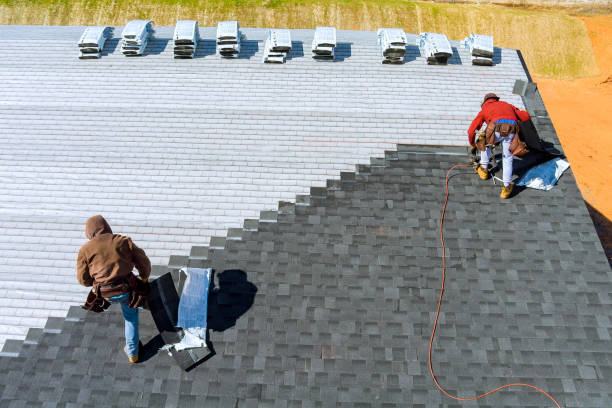
Roofing is a critical component of any home, protecting the structure and its inhabitants from the elements. Over time, however, even the most well-constructed roofs can develop issues. Understanding common roofing problems and how to address them can save homeowners significant time, money, and stress.
1. Leaks and Moisture Damage
Roof leaks are among the most frequent roofing problems homeowners encounter. They typically occur due to damaged shingles, worn-out flashing, or poor installation practices.
How to Address It:
– Inspect Regularly: Check your attic for water stains or damp spots after heavy rains.
– Replace Damaged Shingles: Replace cracked or missing shingles promptly to prevent leaks from worsening.
– Ensure Proper Flashing: Ensure flashing around chimneys, vents, or skylights is intact and watertight.
Proactively sealing vulnerable areas with waterproof materials can also prevent moisture damage before it occurs.
2. Ponding Water on Flat Roofs
Flat or low-sloped roofs are susceptible to standing water if they lack adequate drainage systems.
How to Address It:
– Install tapered insulation systems that promote water runoff.
– Clear gutters and downspouts regularly to ensure proper drainage.
– Consult a roofing professional for long-term solutions such as adding drains or re-pitching specific areas of the roof.
3. Cracked Flashing
Flashing protects roof joints from moisture penetration but can crack or corrode over time due to weather exposure.
How to Address It:
– Use durable materials like aluminum or steel for replacement flashing. – Re-seal cracked flashing with roofing caulk as a temporary fix while awaiting permanent repairs.
4. Damaged Shingles Due to Weather Events
High winds, hailstorms, and extreme temperature fluctuations can cause shingles to crack, curl, or be dislodged entirely.
Preventive Measures & Solutions:
– Opt for impact-resistant shingles in weather-prone regions. – Conduct post-storm inspections for visible shingle damage. – Replace damaged shingles immediately before underlying layers are exposed.
| Weather Condition | Impact on Roof | Solution |
| High Wind Speeds | Missing shingles | Secure loose edges; replace missing ones |
| Hailstorms | Dents in shingles | Opt for hail-resistant materials |
| UV Radiation | Curling asphalt shingles | Apply reflective coatings |
5. Poor Ventilation Leading to Mold Growth
Inadequate ventilation traps moisture within your attic space, which can lead to mold growth and structural decay over time.
Remediation Tips:
1. Install ridge vents or soffit vents for better airflow. 2. Avoid blocking air circulation with insulation material. 3. Consider installing an attic fan in humid climates for added ventilation support.
6. Sagging Roof Lines
A sagging roof could indicate structural issues such as weakened beams or insufficient support beneath heavy loads like snow accumulation.
Steps To Fix This Problem: – Reinforce roof trusses with additional support beams if sagging is minimal. – Remove excessive snow immediately after storms using rakes designed specifically for roofs. – Hire a structural engineer if foundational repairs are necessary due to severe sagging.
7. Gutter Clogging
Clogged gutters restrict water flow away from your home’s foundation while increasing risks of leaks and ice dams during colder months.
Prevention Techniques: 1. Clean gutters at least twice annually (spring & fall).
2. Invest in gutter guards that block debris without disrupting flow. 3: Ensure downspouts direct flow at least five feet away from property walls/basements etc
Being informed about these issues ensures you stay ahead minimizing risks
6 Common Issues with Roof Shingles and Comprehensive Solutions from a Roofing Contractor St Paul MN
Shingles are a critical component of your roof, providing protection from the elements and contributing to the overall structural integrity of your home. However, shingles can experience wear and tear over time, leading to potential issues. Below, we outline seven common problems homeowners face with roof shingles and provide practical solutions to address them.
1. Curling or Buckling Shingles
Curling or buckling happens when shingles lose their shape, often due to moisture issues or improper installation.
Causes:
– Age-related wear
– Poor ventilation in the attic causing excessive heat buildup
– Installation over old shingles
Solutions:
– Replace curled or buckled shingles immediately to prevent leaks.
– Inspect attic ventilation and improve airflow if necessary.
– Avoid layering new shingles over old ones during re-roofing projects.
2. Missing Shingles
Strong winds, storms, or poor adhesion can result in missing shingles, leaving your roof vulnerable to water damage.
Solutions:
– Check for loose nails or broken adhesive strips and secure remaining shingles properly.
– Replace missing shingles promptly with matching materials for a uniform look and protection.
3. Cracked or Broken Shingles
Cracked or broken shingles often occur due to weather fluctuations like freezing temperatures followed by rapid thawing.
Solutions:
– Replace damaged singles as soon as possible to prevent water intrusion into the roof deck.
– Consider installing impact-resistant shingles in areas prone to hailstorms.
4. Granule Loss on Asphalt Shingles
Granules on asphalt shingles provide UV protection and add durability. If you notice granules collecting in gutters or around your home, it may indicate a problem.
Causes:
– Aging roof materials
– Severe weather conditions like heavy rain or hail
Solutions:
– Regularly inspect gutters and downspouts for granule buildup during routine maintenance.
– Replace aging asphalt shingles before significant deterioration occurs.
| Sign | Possible Problem |
| Bald patches on the roof | Significant granule loss |
| Discolored streaks | UV damage from granule depletion |
5. Algae Growth and Dark Stains
Dark streaks caused by algae growth not only reduce curb appeal but can also degrade shingle quality over time.
Solutions:
– Clean affected areas using a mixture of water and bleach (ensure proper safety measures).
– Install zinc or copper strips along the ridge of your roof; these metals help prevent algae regrowth when they oxidize during rain exposure.
6. Blistered Shingles
Blisters form when trapped moisture expands due to heat exposure beneath the shingle surface, creating weak spots susceptible to damage.
Causes:
– Poor-quality roofing materials
– Ventilation issues causing excessive internal heat
Solutions:
– Remove blistered shingles carefully without damaging surrounding areas. – Consult a professional contractor if large sections of blistering occur due to poor installation practices.
## Final Clear Note table summary manually keep
Identifying When to Seek Roofing Services St Paul MN for Repairs or Replacement
Your roof is one of the most critical components of your home, protecting it from the elements and ensuring structural stability. Over time, wear and tear can compromise its integrity, leading to issues that demand immediate attention. Below are the key signs to help you recognize when your roof requires replacement or repairs.
1. Visible Damage to Shingles
Shingles are your roof’s first line of defense against weather conditions. Damaged shingles can lead to water infiltration and further structural problems. Look for these warning signs:
– Cracked or curling shingles: This indicates aging or exposure to extreme weather conditions.
– Missing shingles: Gaps in coverage leave your home vulnerable to leaks and moisture damage. – Granule loss: Excessive granules in gutters or downspouts signal worn-out shingles.
2. Water Leaks and Stains
Water damage is a telltale sign that immediate action is required: – Interior ceiling stains: These often appear as brownish-yellow spots on ceilings or walls. – Dripping water inside the home: A clear sign of a compromised roof system. – Mold and mildew growth: Moisture penetration can encourage mold development, posing health risks.
3. Sagging Roof Deck
A sagging roof deck is a serious issue that suggests structural weakness: – Check for areas where the roofline looks uneven or dips inward. – Causes may include prolonged exposure to moisture, rot, or excessive weight from accumulated debris.
4. Higher Energy Bills
An inefficient roof allows heat and air conditioning to escape, leading to increased utility costs: – Poor insulation due to damaged materials could be responsible. – Inspect for drafts near attic spaces or temperature fluctuations indoors.
5. Flashing Issues Around Key Areas
Flashing protects vulnerable areas such as chimneys, vents, and skylights: – Watch out for rusted, cracked, or detached flashing materials. – Improper flashing installations can result in water seepage into joints and seams.
6. Increased Presence of Pests
A deteriorating roof creates entry points for pests seeking shelter: – Birds, rodents, or insects invading attic spaces could indicate gaps or holes in roofing materials.

Recommended Actions Based on Roofing Problems
| Problem | Recommended Action |
| Missing/Damaged Shingles | Replace individual shingles promptly; inspect adjacent areas for hidden damage. |
| Water Leaks/Stains | Conduct a thorough inspection; repair underlying problems with waterproof sealants or patching methods if localized. |
| Sagging Roof Deck | Consult a professional roofer immediately; structural repairs may involve replacing support beams and decking material entirely. |
| Flashing Issues | Remove old flashing; reinstall using high-quality materials like aluminum-based products for improved durability. |
Preventative Maintenance Tips
- Perform biannual inspections—especially after harsh weather conditions like storms or heavy snowfall.
- Clean gutters regularly to prevent water backup onto your roof surface.
- Trim overhanging tree branches that could drop debris onto your roof.
- Invest in professional inspections every few years for expert assessments.
By identifying these warning signs early and taking appropriate measures, homeowners can extend their roof’s lifespan while maintaining its protective capabilities efficiently over time.
The Evolution of Roofing: From Traditional Materials to Modern Innovations
Over the centuries, roofing has undergone significant transformations. From rudimentary materials like straw and mud to advanced solutions like solar-integrated systems, the evolution of roofing reflects technological advancements and shifting priorities in durability, efficiency, and aesthetics. Understanding this progression not only gives insight into modern roofing choices but also helps homeowners appreciate the options available today.
Early Roofing Materials and Their Challenges
Historically, roofs were constructed using materials readily available in the local environment. While these materials served their purpose at the time, they often came with limitations.
- Thatch: Made from straw or reeds, thatch was widely used in rural areas due to its availability. However, it was highly flammable and prone to rotting in damp climates.
- Clay Tiles: A durable option dating back to ancient civilizations such as those in India and Rome. These tiles offered excellent weather resistance but were heavy and required a sturdy structural foundation.
- Wood Shakes: Widely used during colonial times due to their natural abundance. While aesthetically pleasing, wood shakes were vulnerable to insects, mold growth, and fire hazards.
- Slate: Commonly seen on historic structures throughout Europe and North America. Slate is extremely durable but expensive and labor-intensive to install.
Modern Innovations in Roofing
The 20th century brought advancements that revolutionized roofing systems by addressing issues inherent in traditional materials while introducing new levels of functionality.
- Asphalt Shingles
Introduced during the early 1900s, asphalt shingles quickly gained popularity thanks to their affordability and ease of installation. These shingles offer decent durability for residential applications but vary widely in quality depending on manufacturing processes. - Metal Roofs
Metal roofing has emerged as a popular choice for its longevity (often lasting 40-70 years), energy efficiency (due to reflective properties), and low maintenance requirements. Advances in coatings have improved corrosion resistance across aluminum, steel, zinc alloys, or copper options. - Rubber Roofing (EPDM)
Primarily used for flat roofs or low-sloped surfaces, EPDM rubber membranes offer flexibility even under extreme temperature variations while being resistant to UV damage. - Solar Roofing Systems
Solar-integrated solutions represent one of the most significant innovations over recent years by combining renewable energy production with protective elements traditionally associated with roofs. - Green Roofs
These environmentally friendly designs feature vegetation layers that not only insulate buildings but also reduce stormwater runoff while promoting biodiversity within urban environments.
Comparing Traditional vs Modern Roofing Systems
| Feature | Traditional Materials | Modern Materials |
| Lifespan | Moderate (10-50 years) | Long-lasting (20-100+ years) |
| Maintenance | High (susceptible to decay/fire) | Low (resistant coatings/advanced tech) |
| Environmental Impact | High (natural resources depletion) | Variable (some eco-friendly options) |
| Cost | Affordable initially | Higher upfront investment |
Key Considerations When Choosing Between Traditional & Modern Solutions
- Evaluate your local climate conditions — some traditional options like slate may still outperform modern alternatives based on geography.
- Determine aesthetic goals — historical homes may benefit from authentic-looking old-world styles such as wood shakes or clay tiles.
- Assess long-term costs — modern materials often provide better value over time due reduced maintenance needs despite higher initial expenses.
Tips for Selecting High-Quality Materials for a Durable and Reliable Roof
Selecting the right roofing materials is crucial to ensure your roof not only stands the test of time but also provides optimal performance in protecting your home. With the variety of options available, homeowners often face challenges in making an informed choice. Below, we’ll explore essential tips for choosing high-quality roofing materials that deliver both durability and reliability.
Assess Your Climate and Weather Conditions
- Hot Climates: Consider reflective materials like metal or light-colored asphalt shingles to minimize heat absorption.
- Cold or Snowy Climates: Opt for heavier options like slate or composite shingles that are less prone to damage from freezing temperatures.
- Windy Areas: Metal roofing or architectural shingles offer excellent resistance to strong winds.
- Humid or Rainy Regions: Look for materials such as clay tiles or treated wood shakes that resist moisture and fungal growth.
Understanding your region’s weather patterns ensures you invest in materials capable of withstanding local conditions.
Evaluate Material Longevity
| Roofing Material | Average Lifespan | Maintenance Level |
| Asphalt Shingles | 15–30 years | Moderate |
| Metal Roofing | 40–70 years | Low |
| Clay or Concrete Tiles | 50+ years | Low to Moderate |
| Slate | 75–100 years | Minimal |
| Wood Shakes | 20–40 years | High |
Choose a material based on how long you plan to stay in your home and whether you’re willing to invest time or money into regular upkeep.
Consider Your Budget
- Initial cost vs longevity: More durable options like slate have higher upfront costs but last significantly longer than asphalt shingles.
- Installation complexity: Materials such as metal panels may require specialized installation, adding labor costs.
- Energy efficiency: Reflective coatings on some roofs can reduce energy bills over time, offering a return on investment.
Strike a balance between quality and affordability by factoring in both short-term expenses and long-term savings.
Prioritize Energy Efficiency
- Cool Roof Coatings: Reflective coatings reduce heat absorption.
- Insulating Properties: Materials like clay tiles naturally regulate indoor temperatures.
- Solar Compatibility: Metal roofs can easily accommodate solar panels if you’re planning to adopt renewable energy solutions.
An energy-efficient roof not only lowers utility bills but also adds value when selling your property.
Check Industry Certifications
- ENERGY STAR® ratings for energy-efficient products
- UL Classification for fire resistance
- Wind uplift ratings (ASTM standards) for storm-prone areas
These certifications provide assurance about product performance under various conditions.
By thoroughly evaluating factors such as climate suitability, budgetary constraints, energy efficiency, material longevity, and certifications, homeowners can confidently select durable and reliable roofing materials tailored to their specific needs. Carefully researching your options before committing helps ensure that your investment pays off with a roof designed to last decades while enhancing your home’s functionality and appeal.
Understanding Roofing Warranties with a St Paul MN Roofing Company
A roofing warranty is a critical component of any roofing project. It provides homeowners with peace of mind and assures them that their investment is protected. However, understanding the complexities of roofing warranties can be overwhelming. This guide will break down the essentials of roofing warranties, helping homeowners make informed decisions.
Types of Roofing Warranties
- Covers defects in the roofing materials supplied by the manufacturer.
- Typically ranges from 20 to 50 years, depending on the material.
- Does not cover issues arising from improper installation.
- Provided by the contractor or roofer.
- Covers defects or failures due to poor installation practices.
- Ranges from 1 to 10 years but varies based on contractors and region.
- Offered by manufacturers for an additional cost.
- Combines material and installation coverage under one policy.
- May require certified contractors for eligibility.
| Type of Warranty | Coverage Focus | Typical Duration |
| Manufacturer’s Warranty | Material Defects | 20–50 Years |
| Workmanship Warranty | Installation Quality | 1–10 Years |
| Extended Warranties | Comprehensive Coverage | Varies (Optional) |
Key Components to Look For in a Roofing Warranty
- Coverage Duration: Longer doesn’t always mean better—understand what’s covered during each phase (e.g., full coverage vs prorated).
- Transferability: Some warranties can be transferred to new homeowners when selling your house, adding value to your property.
- Exclusions: Most warranties exclude damage caused by natural disasters (e.g., hailstorms, hurricanes), lack of maintenance, or unauthorized repairs.
- Installation Requirements: Certain manufacturers require certified installers for their warranty to remain valid.
Common Misconceptions About Roofing Warranties
- “All Damage Is Covered”:
Many homeowners mistakenly believe that warranties cover all roof-related issues. In reality, most only apply to manufacturing defects or faulty installations. - “Longer Warranties Are Always Better”:
While extended durations may sound appealing, they often come with prorated terms that reduce coverage over time. - “Roof Maintenance Isn’t Necessary with a Warranty”:
Regular inspections and upkeep are vital—even when a warranty is in place—to avoid voiding its terms.
How Homeowners Can Protect Their Warranty
- Hire licensed and certified contractors for installation or repairs.
- Perform routine maintenance such as clearing debris and inspecting for damage annually.
- Avoid DIY repairs or unapproved modifications that could void coverage.
- Keep records of all inspections, maintenance activities, and repairs for future claims.
Questions to Ask Your Contractor About Roofing Warranties
- What type(s) of warranties are included with my roof?
- Are there additional costs associated with extended warranties?
- Who handles claims—manufacturer or contractor?
- What actions could void my warranty?
By thoroughly understanding your roofing warranty options and responsibilities, you’ll be better equipped to protect your investment for years to come.
6 Common Issues with Roof Shingles and Comprehensive Solutions for Homeowners
Roof shingles are one of the most critical components of any roofing system. They protect your home from the elements, enhance its aesthetic appeal, and contribute to overall durability. However, like all roofing materials, shingles can encounter problems over time due to weather exposure, improper installation, or aging. Below is an overview of common issues with roof shingles and effective solutions for homeowners.
1. Curling or Buckling Shingles
- Problem: Curling or buckling often occurs when shingles are exposed to high levels of moisture or improper ventilation in the attic. This can lead to water infiltration and compromise the roof’s integrity.
- Ensure proper attic ventilation to minimize heat and moisture buildup.
- Replace affected shingles promptly to prevent further water damage.
- Consider upgrading to more durable shingle materials such as asphalt architectural shingles.
2. Granule Loss
- Problem: Granules on asphalt shingles act as a protective layer against UV rays and impact damage. Over time, you may notice granules accumulating in gutters or downspouts, which indicates wear and tear.
- Conduct regular roof inspections for granule loss.
- Replace heavily worn shingles if granule loss is significant.
- Use gutter guards to monitor granule accumulation more easily.
Table: Indications of Severe Granule Loss
| Signs | Recommended Action |
| Bald patches on shingles | Replace individual damaged areas |
| Excessive granules in gutters | Inspect entire roof thoroughly |
3. Cracked or Broken Shingles
- Problem: Temperature fluctuations, hailstorms, or heavy winds can cause cracks or breaks in roof shingles, leaving your home vulnerable to leaks.
- Patch minor cracks using roofing sealant as a temporary fix.
- For extensive damage, replace all compromised shingles with new ones.
4. Missing Shingles
- Problem: Missing shingles often occur after strong winds or severe storms, exposing the underlying layers of your roof to potential water damage.
- Act immediately by replacing missing shingles with exact matches in style and color.
- Secure surrounding shingles with additional adhesive for extra reinforcement.
Quick Tip: Prevent Wind Damage
To mitigate wind-related shingle issues:
– Use nails instead of staples during installation for better hold. – Opt for wind-resistant shingle designs that meet local building codes.
5. Algae Growth on Shingles
- Problem: Streaky black stains caused by algae are not just unsightly; they can also degrade the quality of your roof over time if untreated.
- Clean affected areas using a mixture of water and mild bleach (in a ratio of three parts water to one part bleach). Avoid pressure washing as it may damage granules.
- Install zinc or copper strips along the ridge line since these metals naturally inhibit algae growth.
Comparison Table: Cleaning vs Prevention Methods
| Method | Purpose | Cost Effectiveness | Maintenance Frequency |
| Bleach cleaning | Removes existing algae stains | Low-cost | As needed (once yearly) |
| Metal strips | Prevents future algae formation | Moderate initial investment but long-term benefits |
6. Ice Dams Leading to Shingle Damage
- Problem: In winter climates, ice dams can form along the edges of your roof due to inadequate insulation or poor drainage systems. This can push melted snow underneath your shingles and cause leaks.
- Improve insulation in your attic area.
- Install an ice-and-water shield underlayment beneath troublesome areas like eaves and valleys.
Preventative Maintenance Tips:
To minimize common shingle-related problems: 1) Schedule biannual inspections—ideally before winter storms and during spring thaw—to catch early warning signs of wear. 2) Clean debris off your roof periodically since accumulated leaves can retain harmful moisture beneath them.
By addressing these common roofing challenges proactively and implementing best practices for maintenance/repairs homeowners safeguard their investments long-lastingly without constantly requiring replacements
Does a Metal Roof Attract Lightning? Debunking Myths and Explaining Facts
When considering metal roofing, one of the most common concerns among homeowners is whether a metal roof increases the likelihood of a lightning strike. This concern is rooted in misconceptions about how metal interacts with electricity. Below, we’ll explore the science behind this myth, discuss safety features of metal roofs, and explain why choosing a metal roof can be a sound decision.
Understanding How Lightning Works
To address whether metal roofs attract lightning, it’s crucial to first understand how lightning behaves:
– Lightning does not “seek out” specific materials: Contrary to popular belief, lightning doesn’t strike objects just because they are made of metal. Instead, it targets the highest point in an area or objects that provide a direct path to the ground.
– Height, location, and structure shape matter more: Taller structures or those in open areas are at higher risk for strikes—not because of material composition but due to their positioning.
Metal Roofs and Electrical Conductivity
It’s true that metals are excellent conductors of electricity. However, electrical conductivity doesn’t mean attraction. Here’s why this works in favor of homeowners with metal roofs:
– Metal Roofs Safely Disperse Electricity: If a lightning strike were to occur on a building with a metal roof, the roof’s conductive properties would evenly distribute the electrical energy across its surface and safely into the ground (if properly grounded). This process minimizes localized damage compared to non-metallic roofing materials like wood or asphalt shingles.
– Reduced Fire Risk: Metal is non-combustible, meaning it won’t ignite during an electrical event such as a lightning strike. This makes it one of the safest roofing options for homes in storm-prone areas.
Myths vs Facts Table
| Myth | Fact | Explanation |
| Metal roofs attract lightning | False | Height/location determine strikes, not material composition |
| Metal increases fire risk | False | Metal is fire-resistant and won’t combust |
| Installing grounding rods prevents strikes | Misleading | Grounding rods do not deter strikes; they only safely redirect electricity |
Additional Factors That Influence Lightning Strikes
While your roofing material plays little role in increasing or decreasing your home’s exposure to lightning, several factors warrant consideration:
1. Height of the Structure: – Taller buildings are statistically more likely to be struck by lightning due to their proximity to storm clouds. 2. Surrounding Environment: – Homes located on open plains or hillsides may face more exposure than houses surrounded by taller trees or buildings. 3. Proper Grounding Systems: – Ensuring that your home has proper grounding systems is key for safety during storms.
Benefits of Choosing a Metal Roof Despite Myths
Despite these misconceptions about attracting lightning, investing in a high-quality metal roof offers numerous advantages:
– Durability against extreme weather conditions such as hailstorms and heavy snowfall. – Longer lifespan compared to traditional shingles (often lasting 40–70 years). – Energy efficiency due to reflective properties that reduce heat absorption.
By understanding these points alongside debunked myths about lightning attraction, homeowners can make informed decisions when considering materials for their roofing projects—without fear driving them toward less safe alternatives.
- Understanding the Benefits of a Professional Roof Inspection with a St Paul MN Roofer
- How a St Paul MN Roofing Company Assesses Structural Damage to Your Roof
- Effective Solutions to Common Roofing Problems with a St Paul MN Roofer
- Key Signs You Need a Roofing Inspection from a Trusted Roofing Contractor St Paul MN
- Enhance Your Roof’s Longevity with a Trusted St Paul MN Roofing Company
- Identifying the Right Time to Call a St Paul MN Roofer for Roof Replacement